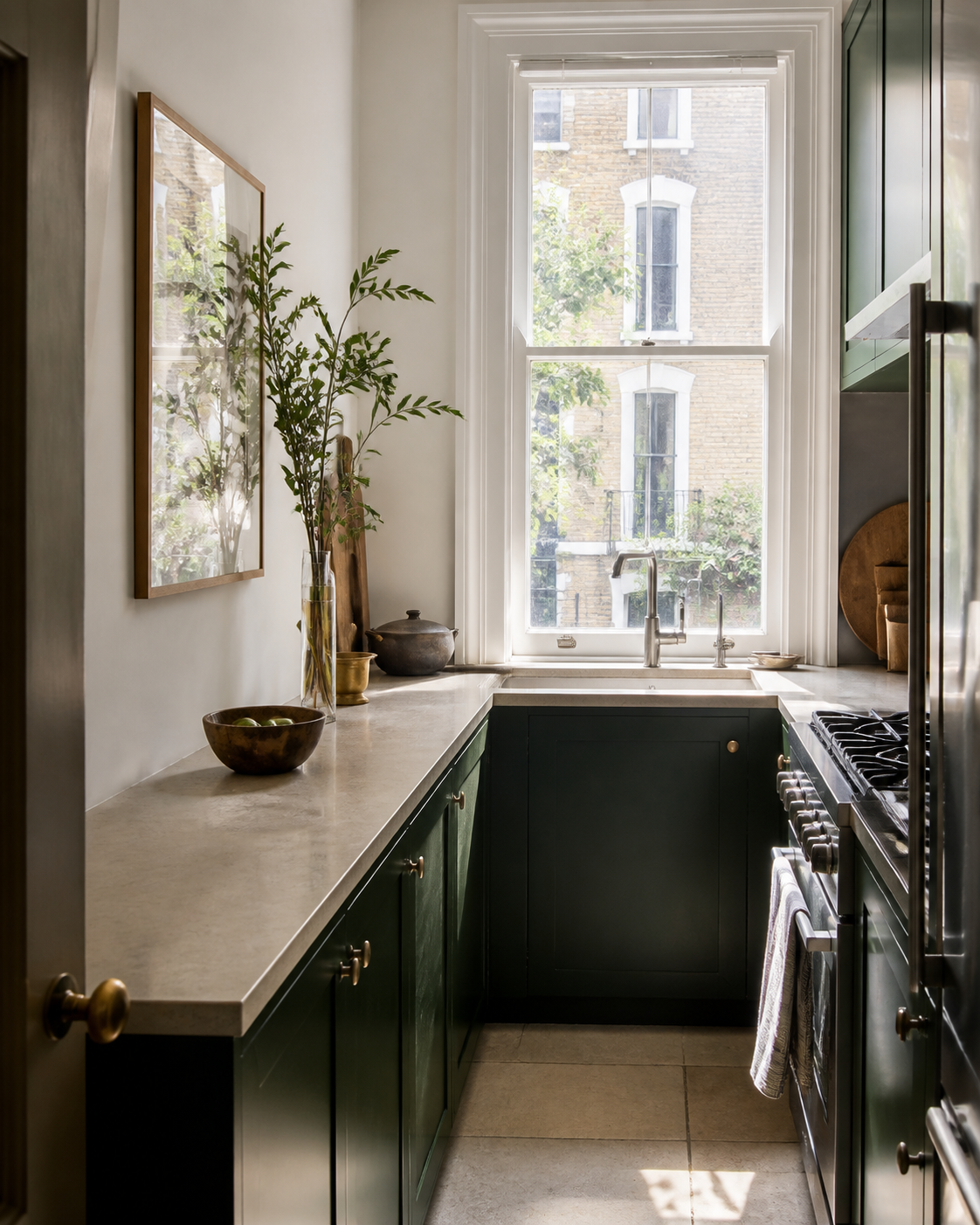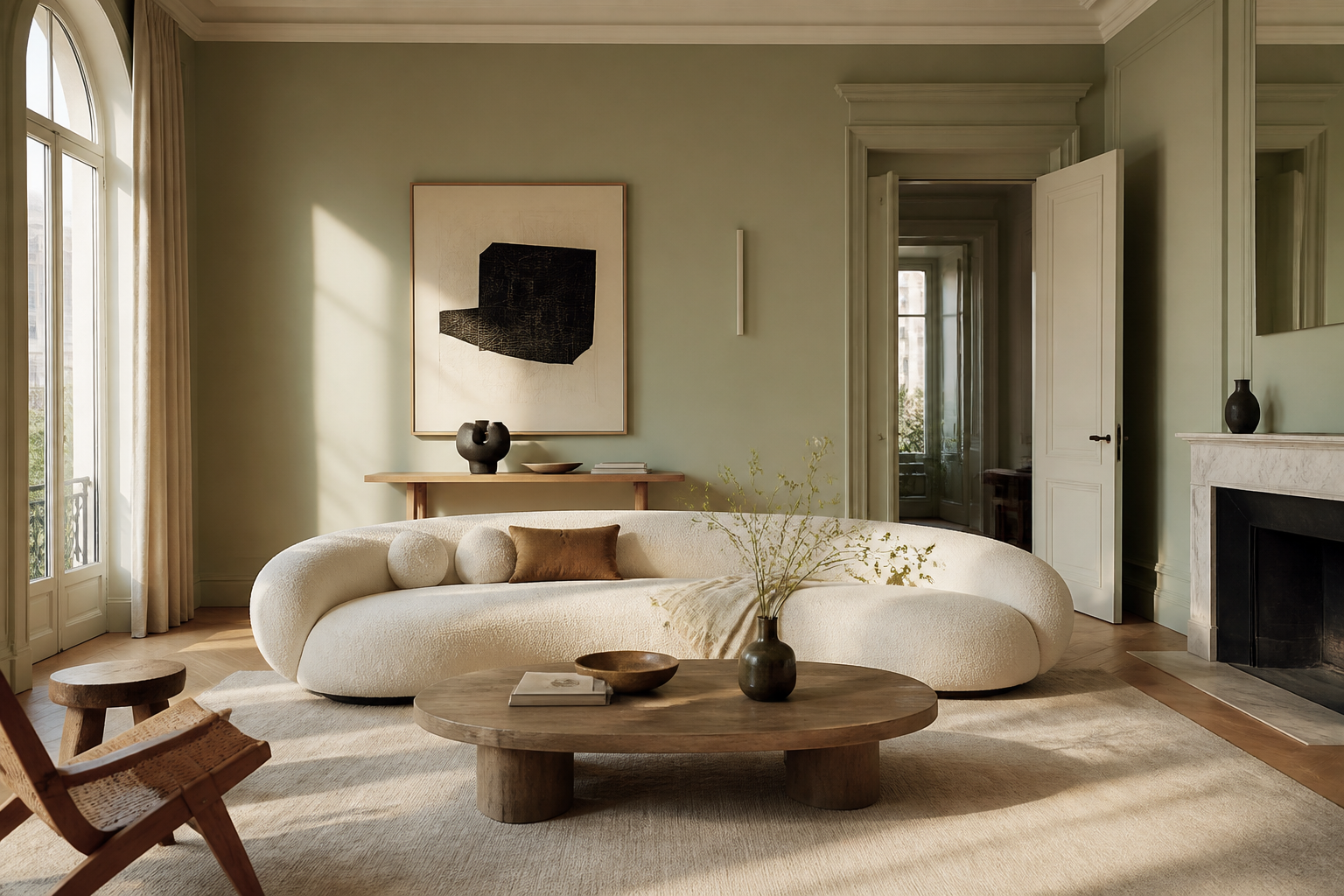
A better room often starts with noticing what the room is already trying to do. This is a field note for slowing the decision down just enough to make it useful.
There is no trick to it, only a handful of choices that become clearer when they are put in the order people actually live through them. Light first, then movement, then the tactile things you meet at the end of the day.
Let the everyday use lead
Start with the moment this part of home gets busiest. That is where a practical limitation becomes a brief. It might be a narrow walk, a window that ought to stay visible, a coat that has nowhere to land, or a table that needs to work before it can look settled.
Good decisions do not make a room busier. They make the next thing easier.
Keep the palette short and the materials legible. One deep tone, one quiet surface, one reliable piece of light. The goal is not to make the room disappear; it is to let the better choices become obvious.
The next useful step
Take a photo at the end of the day, make one small list, and resist solving everything at once. A room with a clear next step almost always feels more settled than a room with a grand plan.